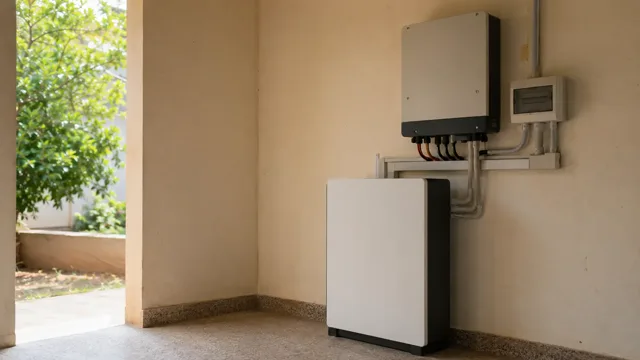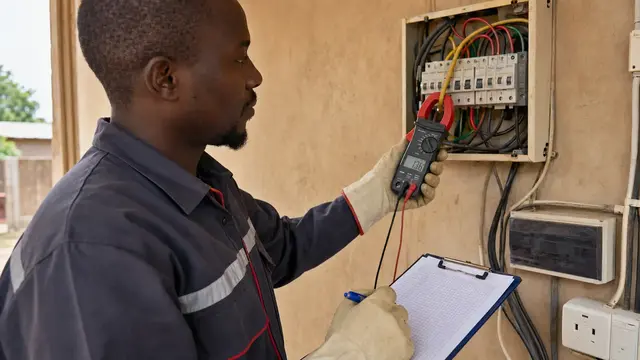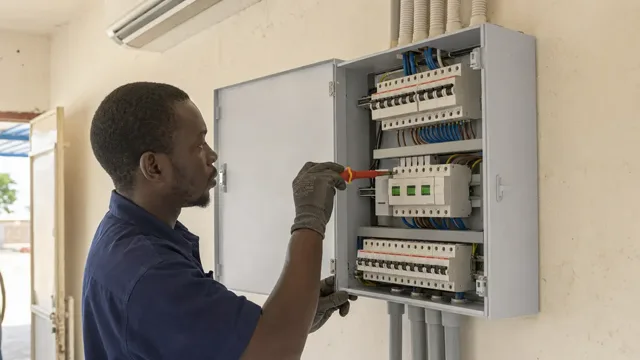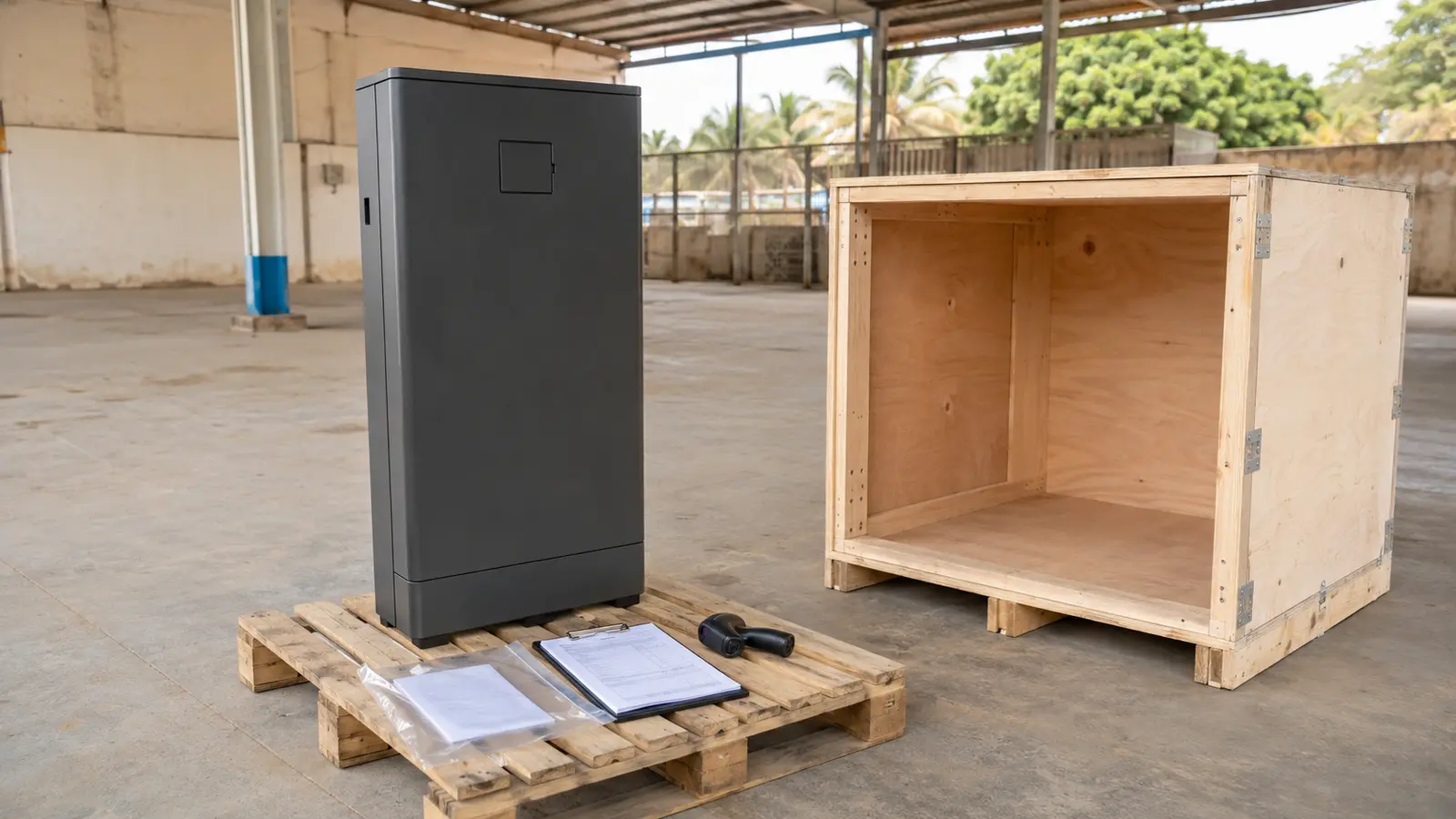
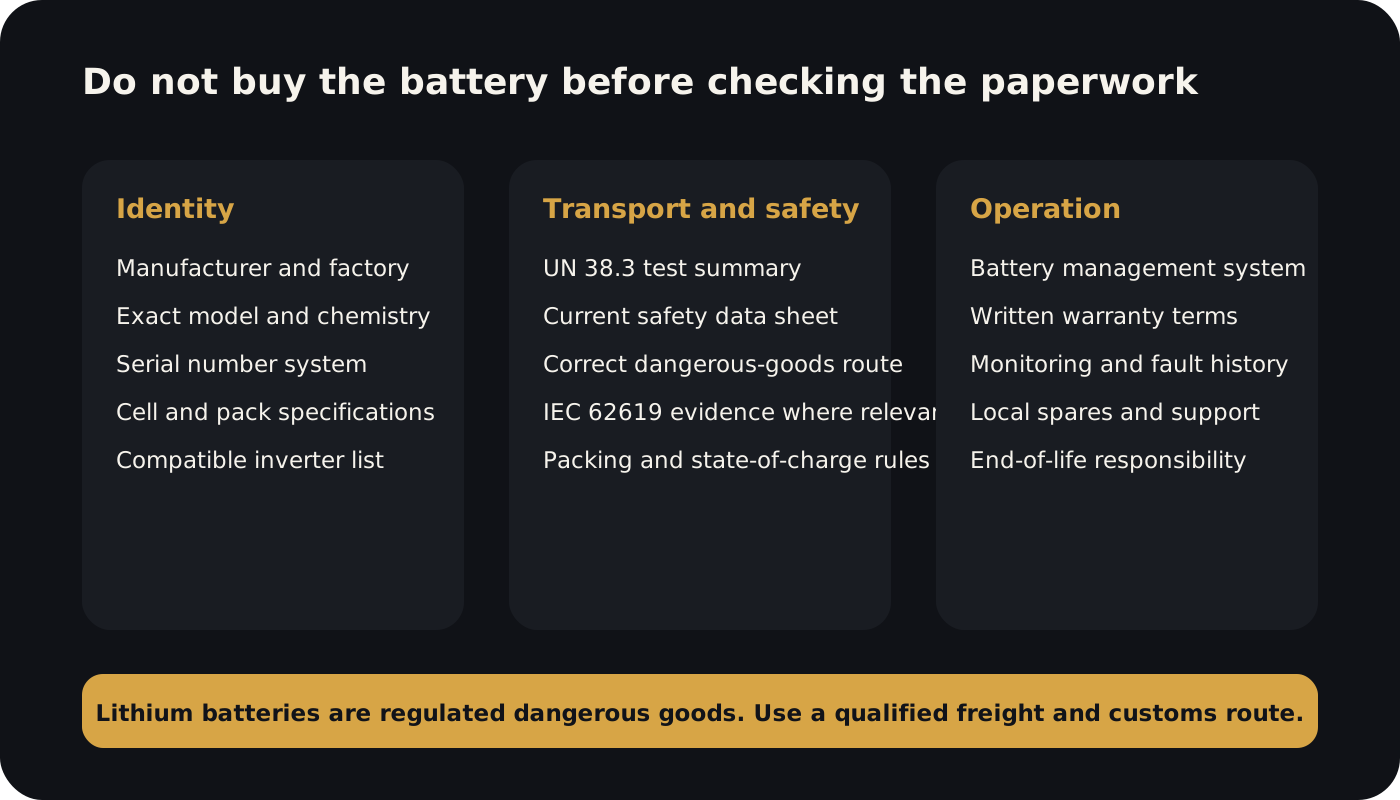
The battery can look perfect in a supplier video.
That does not prove it is the model in the quotation, safe to transport, compatible with the inverter or supported after arrival.
Lithium storage is attractive because it is compact, modular and well suited to frequent cycling. The purchase process needs more discipline than buying ordinary electrical goods.
Correct the first assumption
Lithium batteries can be easier to handle and install than a large lead-acid bank.
They are not automatically easier to ship.
The IATA 2026 guidance treats lithium batteries as dangerous goods and states that cell and battery types must have passed the applicable tests in UN Manual of Tests and Criteria subsection 38.3 to be permitted in transport.
Requirements can include trained handling, suitable packaging, marks, labels, documents, cargo-aircraft restrictions and state-of-charge controls. The route depends on whether batteries travel alone, with equipment or inside equipment.
Use a freight forwarder experienced in lithium batteries. Never ask a supplier to hide or misdeclare the shipment.
Request the UN 38.3 test summary
The document should identify:
- manufacturer
- battery or cell model
- contact information
- test laboratory
- report reference
- test date
- battery description
- mass
- watt-hour rating
- tests completed
- pass result
- authorised signatory
The exact model in the summary should match the product being purchased.
A generic certificate for another battery is not enough.
Request the safety data sheet
The current safety data sheet can support classification, handling and emergency planning.
Check that:
- the product identity matches
- the manufacturer matches
- the revision is current
- transport information is present
- emergency and fire information is clear
- contact details are real
The freight professional decides which documents are required for the chosen route.
Check stationary battery safety evidence
IEC 62619:2022 specifies safety requirements and tests for secondary lithium cells and batteries used in industrial applications, including stationary applications.
Ask the supplier for:
- certificate or report scope
- exact models covered
- issuing body
- verification route
- exclusions
- cell and pack relationship
Do not accept a logo printed on a brochure as certification evidence.
Verify the battery management system
The BMS should protect and monitor the pack within its design.
Confirm:
- voltage and current limits;
- temperature monitoring;
- high and low temperature behaviour;
- overcharge and over-discharge protection;
- short-circuit response;
- cell balancing;
- communications protocol;
- compatible inverter models;
- parallel expansion rules;
- fault history access;
- firmware support.
If the battery and inverter do not communicate correctly, usable capacity, charging and protection may be compromised.
Read the warranty before paying
Ask:
- who receives a claim in The Gambia;
- what evidence is required;
- whether return freight is covered;
- whether a failed module is repaired or replaced;
- what conditions void the warranty;
- what temperature and cycle assumptions apply;
- whether remote logs are required;
- how long spare modules will remain compatible;
- who owns firmware and monitoring access.
A ten-year headline is not useful if the only remedy is returning a heavy dangerous-goods product to another continent at the buyer's cost.
Inspect before shipment
For a meaningful order, inspection can verify:
- manufacturer identity;
- model and serial numbers;
- quantity;
- physical condition;
- packaging;
- accessory list;
- inverter compatibility;
- labels;
- sample operation;
- document match;
- container loading plan.
Use independent inspection when the value or risk justifies it.
Confirm the Gambian import position
Customs treatment, permits, taxes, exemptions and environmental responsibilities can change.
Before ordering:
- obtain the HS classification from a qualified customs route;
- confirm current import documents and duties;
- confirm dangerous-goods acceptance with the carrier;
- confirm port and inland handling;
- confirm storage conditions after arrival;
- define responsibility for damaged cargo;
- plan end-of-life and failed-battery handling.
Do not publish a duty-free claim based only on an old energy policy.
Build a local support model
The business opportunity is not only the battery.
A reliable offer includes:
- site measurement;
- critical-load design;
- compatible inverter;
- electrical protection;
- safe installation location;
- commissioning;
- monitoring;
- staff handover;
- periodic health check;
- fault response;
- warranty process;
- end-of-life responsibility.
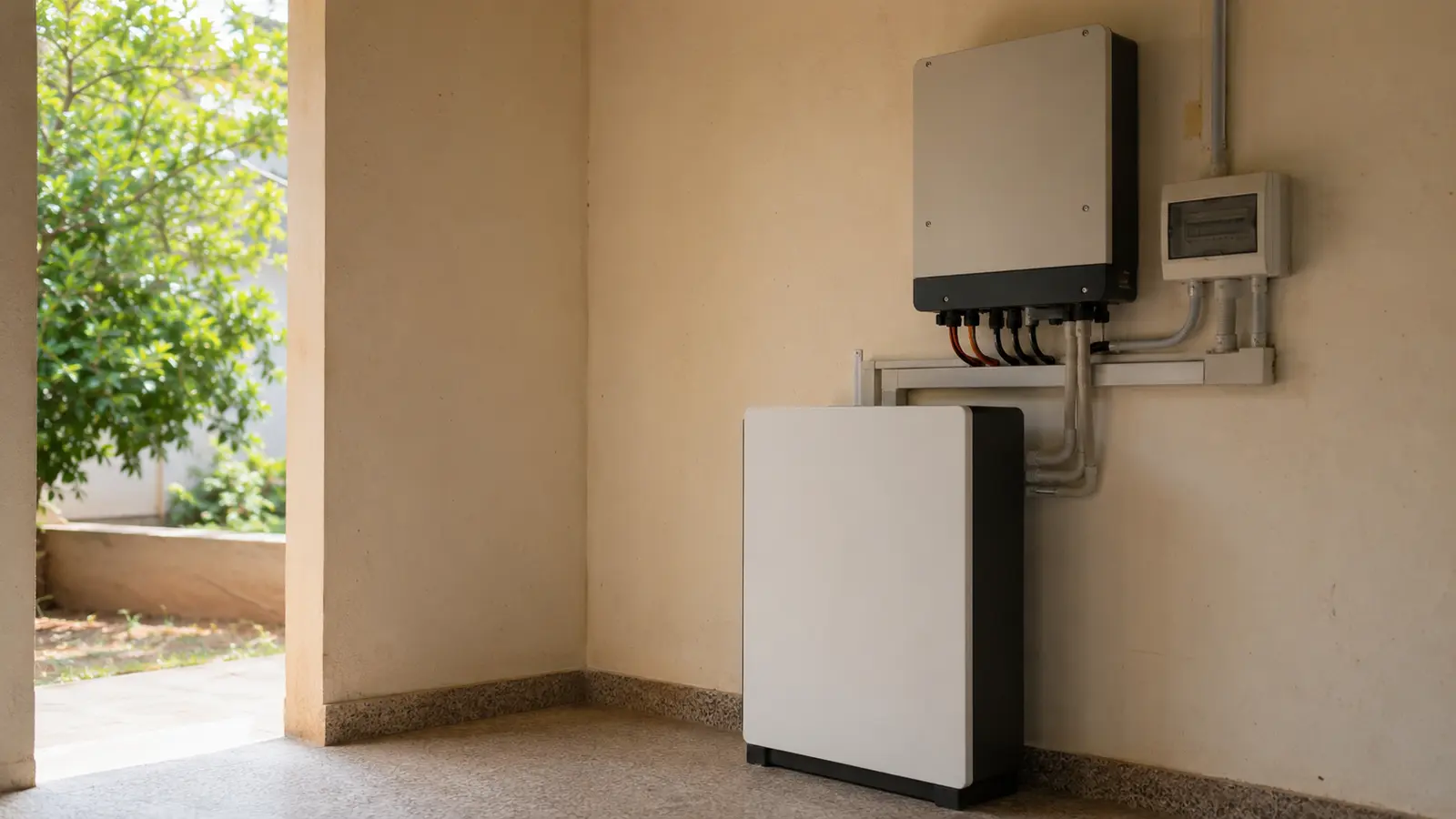
The home lithium guide covers site design. The battery sizing guide explains capacity.
Palmward should sell documented continuity, not anonymous battery boxes. That protects the customer and creates a service relationship that survives the initial installation.
Sources and safety note
- IATA Lithium Battery Guidance Document, 2026
- IATA batteries and dangerous-goods resources
- UNECE Manual of Tests and Criteria, Revision 8
- IEC 62619:2022
This article is a procurement checklist, not freight, customs or electrical approval. Use qualified professionals for the current shipment and installation.