Some equipment fails during the outage.
Other equipment fails when power returns.
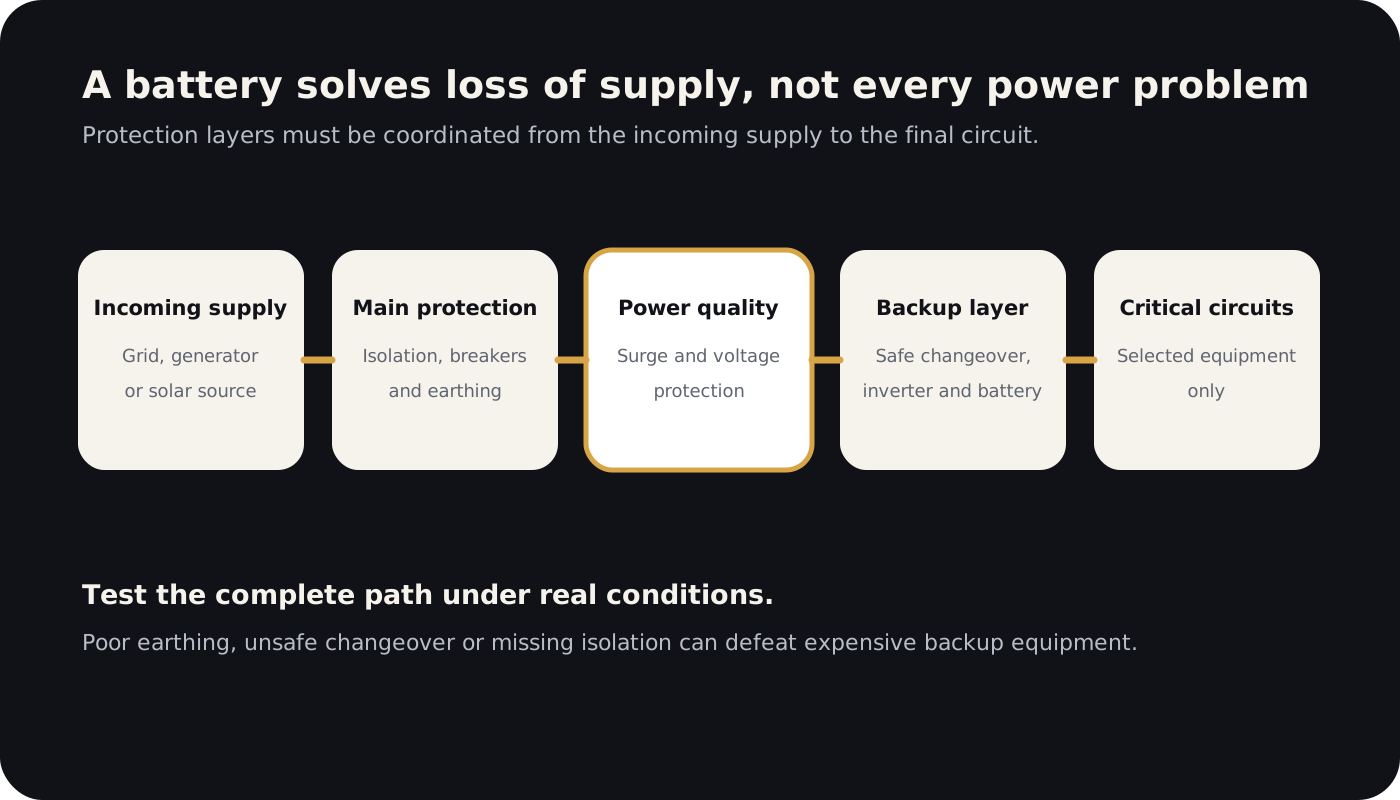
The difference matters. A battery can provide energy when the grid is absent, but it does not automatically correct every voltage, surge, earthing or wiring problem in the building.
Four different problems
Complete outage
Supply disappears.
A UPS, battery or generator can provide an alternative source.
Low or high voltage
Supply remains present but outside the equipment's acceptable range.
Some devices shut down. Others overheat or suffer cumulative damage.
Short surge
A rapid transient can be caused by switching events, faults or lightning effects.
Sensitive electronics can be damaged before a person sees anything unusual.
Poor internal installation
Loose connections, undersized cable, weak earthing, shared neutrals, overloaded circuits or unsafe changeover can create problems even when the external supply is normal.
Each condition needs a different response.
Start at the building, not at the device
A plug-in voltage protector may help one appliance. It does not replace a properly assessed distribution system.
A layered review can include:
- incoming supply condition
- main isolation
- earthing and bonding
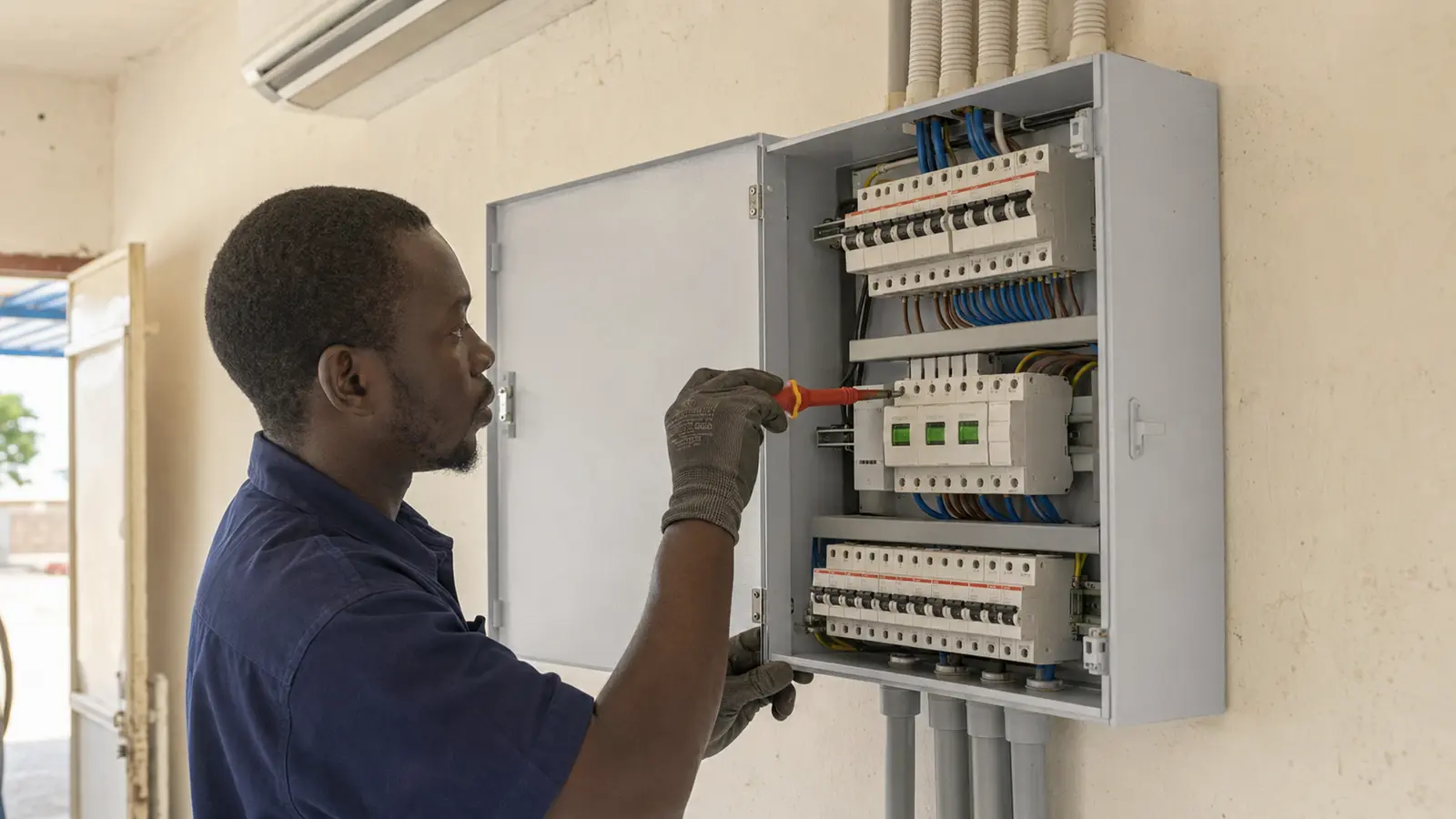
- distribution board condition
- overcurrent protection
- surge protective devices
- voltage monitoring or regulation where justified
- generator changeover
- inverter connection
- critical-load separation
- point-of-use protection for sensitive equipment
The exact equipment and protection class must be selected by a competent electrical professional for the installation and applicable standards.
Understand surge protection layers
Surge protection is commonly coordinated in stages.
At a high level:
- protection near the service or main board manages larger incoming transients where required
- protection in distribution boards limits remaining surge energy
- point-of-use protection adds a final layer for selected sensitive equipment
One device cannot be assumed to protect the entire site. Cable length, earthing, installation method and coordination affect performance.
Do not select or install surge protective devices from a blog post. Use this as a reason to request a proper assessment.
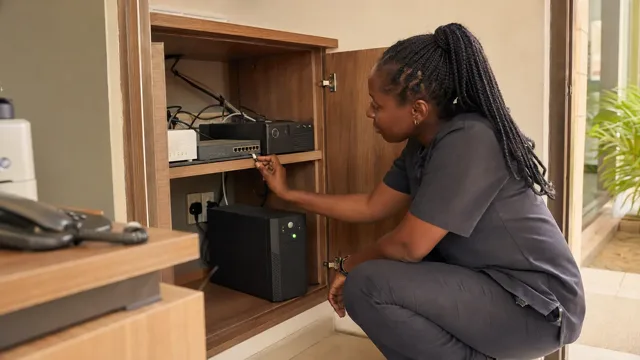
Protect network and security equipment
Technology is connected through both power and data paths.
Routers, switches, cameras, access points and recorders may be affected through:
- mains power
- long Ethernet cable
- outdoor camera cable
- antenna connection
- provider equipment
- poor grounding between systems
Outdoor devices and long cable runs need particular attention.
If a camera fails repeatedly after storms or power returns, replacing the camera without reviewing the path may repeat the loss.
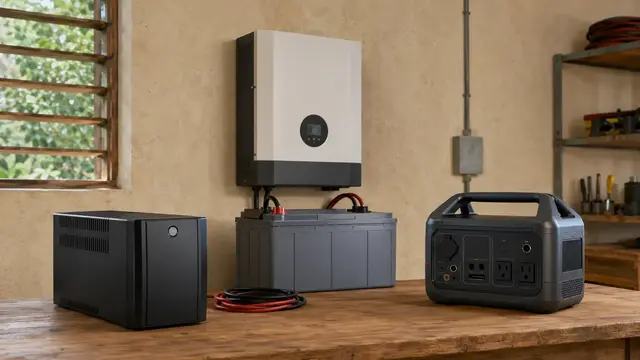
Coordinate generator and inverter power
Sensitive equipment may react badly to:
- unstable generator speed
- incorrect voltage or frequency
- repeated transfer
- an undersized generator
- poor neutral or earthing arrangements
- incompatible inverter and generator settings
A hybrid system should have a documented sequence for grid loss, battery operation, generator start, charging and return to grid.
Test the sequence under real load.
Add monitoring where it changes action
Useful monitoring can record:
- voltage range
- grid failure and return
- repeated short interruptions
- inverter faults
- battery faults
- generator start
- temperature
- device availability
Data should lead to an action. An alert that nobody owns is noise.
Warning signs that deserve inspection
Arrange a qualified review if staff report:
- lights repeatedly dimming or brightening
- equipment restarting when large loads start
- hot plugs or sockets
- burning smell
- buzzing distribution equipment
- breakers that trip repeatedly
- shocks or tingling from metal equipment
- generator changeover problems
- damaged surge devices
- frequent power-supply failures
Do not keep resetting a protective device without identifying the cause.
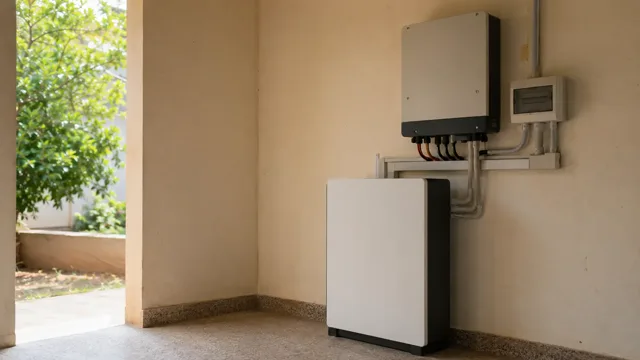
Battery safety is part of power quality
The inverter and battery need correct isolation, cable sizing, protection, temperature control and compatible settings.
A battery management system is important, but it does not correct unsafe AC wiring around the system.
The home lithium guide covers equipment evidence. The business continuity guide explains how the electrical layer connects to operations.
Palmward can map the technology at risk and coordinate the service requirement with qualified electrical assessment. The result should protect the business when power disappears and when it comes back.