All three can keep equipment running.
They are not interchangeable.
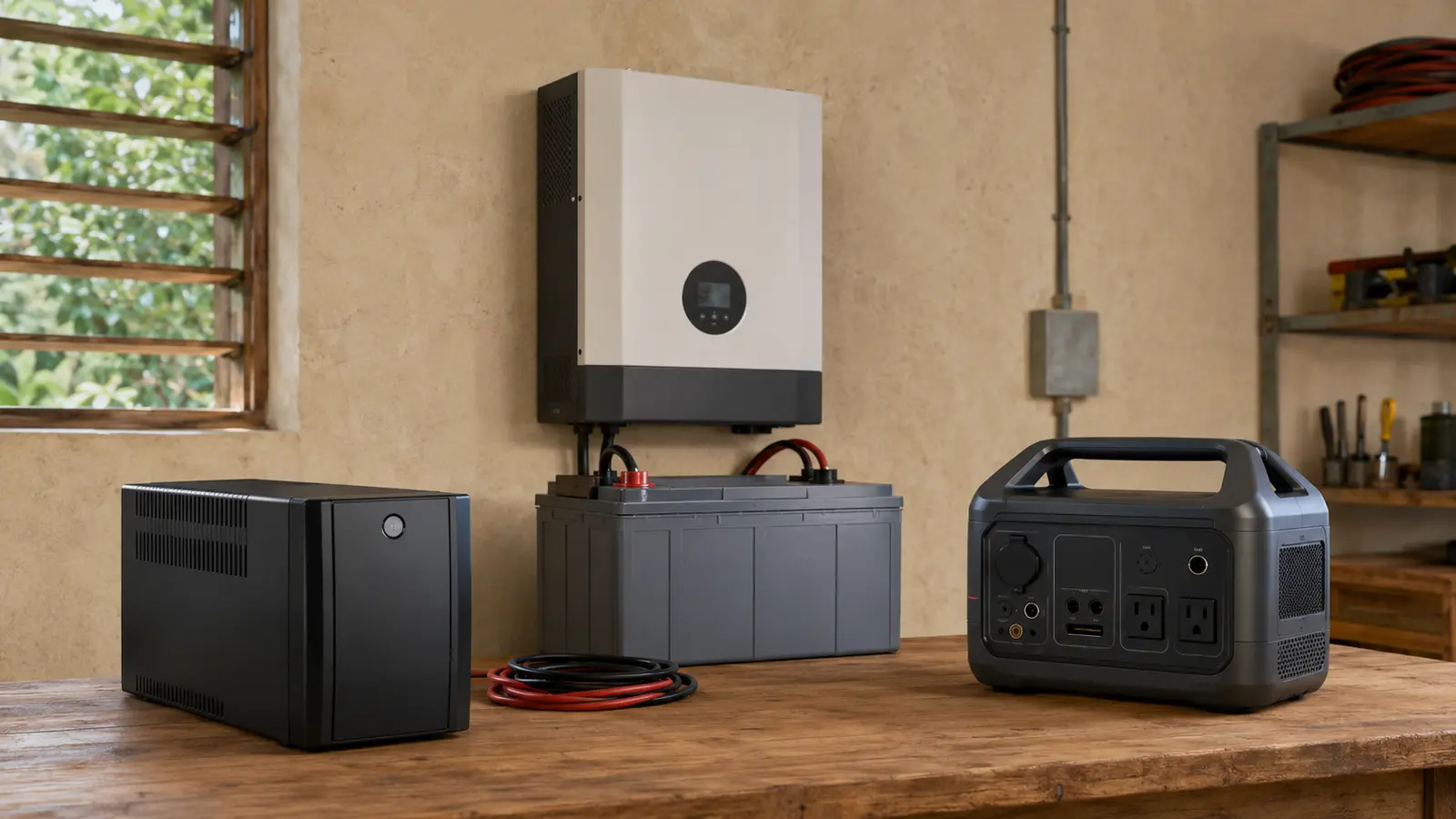
A UPS is designed around transition and sensitive equipment. A fixed inverter and battery system is designed around circuits and runtime. A portable power station is designed around flexible plug-in use.
The correct choice depends on what must stay on.
UPS
UPS means uninterruptible power supply.
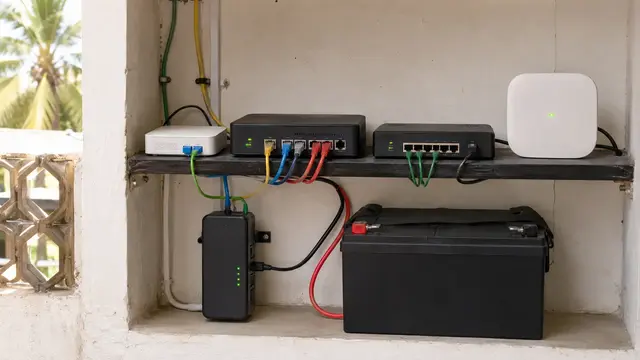
It normally sits between a socket and selected equipment. When grid power fails, it switches to its battery quickly enough to prevent many connected devices from rebooting.
Good uses include:
- router and provider terminal
- network switch
- camera recorder
- desktop computer
- server or storage device
- POS equipment
- safe shutdown
Strengths:
- fast transition
- simple deployment for a small load
- power conditioning on appropriate models
- clear protection boundary
Limits:
- many low-cost models have short runtime
- batteries need replacement
- output waveform and capacity vary
- it does not protect devices that are not connected
- it may not start motors or compressors
Do not connect a printer, refrigerator or kettle to a small office UPS unless the model is designed for that load.
Fixed inverter and battery system
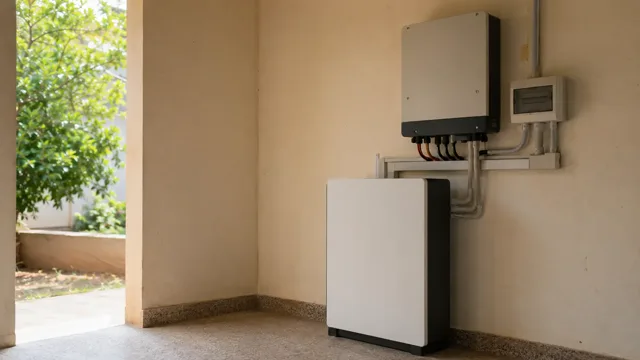
A fixed system can protect a critical-load panel or a group of dedicated sockets.
Good uses include:
- home essentials
- business network and payments
- selected lighting
- cameras
- fans
- selected refrigeration
- multi-hour operation
- solar integration
Strengths:
- larger capacity
- centralised protection of chosen circuits
- monitoring
- solar and generator integration on suitable systems
- modular battery options
Limits:
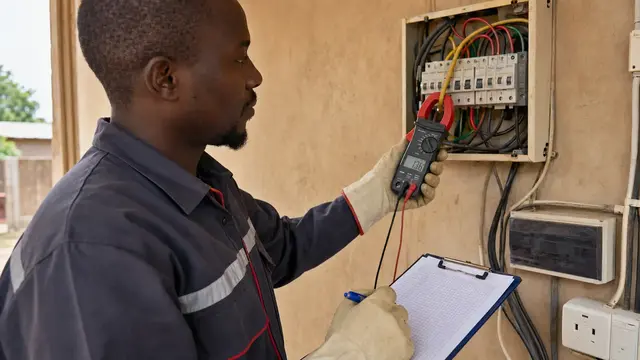
- requires professional electrical design
- unsafe changeover or wiring can create serious risk
- a slow transfer may still reboot sensitive equipment
- non-critical loads can consume capacity
- poor installation can remove the advantage of good hardware
A small UPS may still be used downstream for devices that cannot tolerate the inverter transfer time.
Portable power station
A portable power station combines a battery, inverter and outlets in one movable product.
Good uses include:
- phones and laptops
- a router
- lighting
- field work
- temporary events
- one or two small devices
- a rented home where fixed installation is not possible
Strengths:
- flexible
- quick to deploy
- no fixed electrical work for plug-in loads
- easy to move between rooms or sites
Limits:
- limited output and capacity
- can be overloaded by appliances
- trailing cables create hazards
- it may be moved away from the device it was meant to protect
- it should not be connected to building wiring through improvised plugs
- product quality and battery documentation vary
Choose by service
| Need | Usually the first option to assess |
|---|---|
| Stop a router or PC rebooting | UPS |
| Run selected home circuits for hours | Fixed inverter and battery |
| Power a laptop and phone in different places | Portable power station |
| Support a refrigerator and business network | Measured fixed system, sometimes with local UPS |
| Bridge to a generator | UPS or battery system with tested transfer |
| Add rooftop solar | Compatible fixed hybrid inverter and battery |
This table is a starting point, not a product prescription.
Check the specification that sellers skip
For any option, verify:
- continuous output power
- peak output
- output waveform
- nominal and usable battery energy
- transfer time
- supported load types
- charging time
- operating temperature
- battery chemistry
- safety evidence
- warranty
- replacement and repair path
Do not compare a device advertised in VA directly with another advertised in W or kWh without understanding what each value means.
Protect the complete network
A UPS on the router will not help if the fibre terminal or network switch uses another socket.
Map:
Provider terminal → gateway → switch → access point → user device
Every required component must remain powered.
Avoid unsafe shortcuts
Never connect a portable unit or inverter to house wiring using a male-to-male cable or improvised backfeed. This can energise circuits unexpectedly and endanger people.
Fixed systems need suitable isolation, protection, earthing and changeover. Use a competent electrical professional.
The battery sizing guide explains kW and kWh. The internet continuity guide maps the connectivity chain.
Palmward helps define the service and technology load so the right backup layer is chosen for the real operating problem.