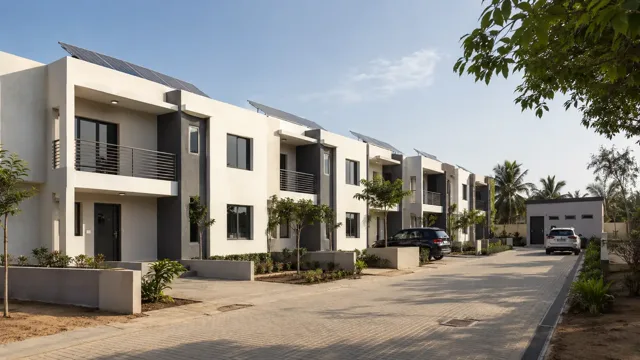
Fibre is cheap to pull through a good duct.
It is expensive to install through finished paving, painted walls and occupied homes.
A fibre-ready building does not need to know which provider every resident will choose. It needs a safe, accessible passive path from the provider boundary to each unit and equipment location.
Why the opportunity exists
The Gambia already has important national infrastructure. The World Bank's Digital Economy Diagnostic described a relatively well-developed national fibre backbone, including about 420 km of National Broadband Network, but said it was underused because of management and capacity constraints.
PURA's 2024 annual report recorded a full moratorium on fibre rollout during that year while infrastructure-sharing regulations were being prepared. That is a statement about the 2024 reporting period, not proof of current status in every location. Developers should confirm the latest rules and provider options before construction.
The practical lesson is stable: provider availability and policy can change, but a well-designed building pathway remains useful.
Start with the demarcation point
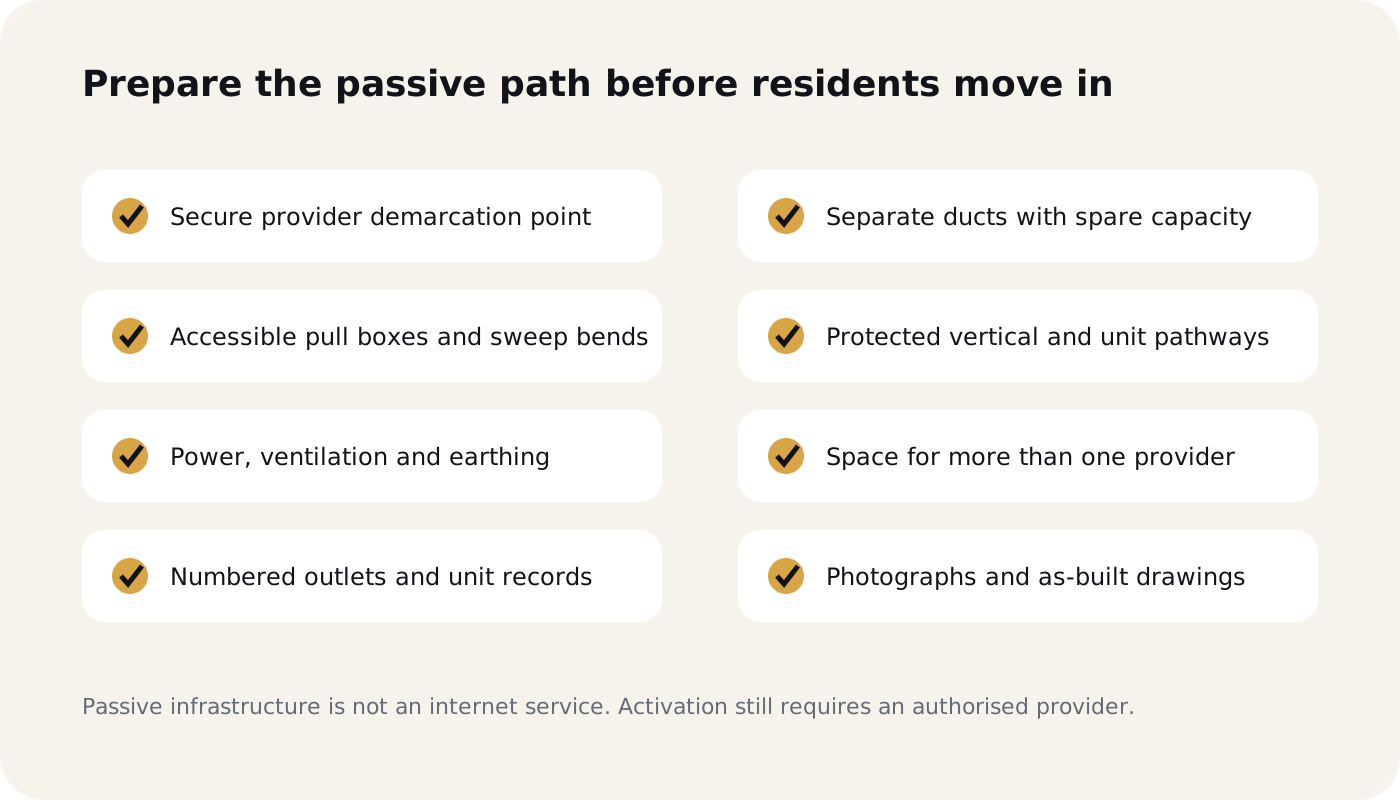
Choose a secure place where an authorised provider can hand service to the property.
It should have:
- controlled access
- protection from water and heat
- power where active equipment may be installed
- earthing where required
- cable entry space
- room for more than one provider
- a clear route to internal distribution
- asset and port labels
Do not place the demarcation in a resident's private room or behind permanently locked finishes.
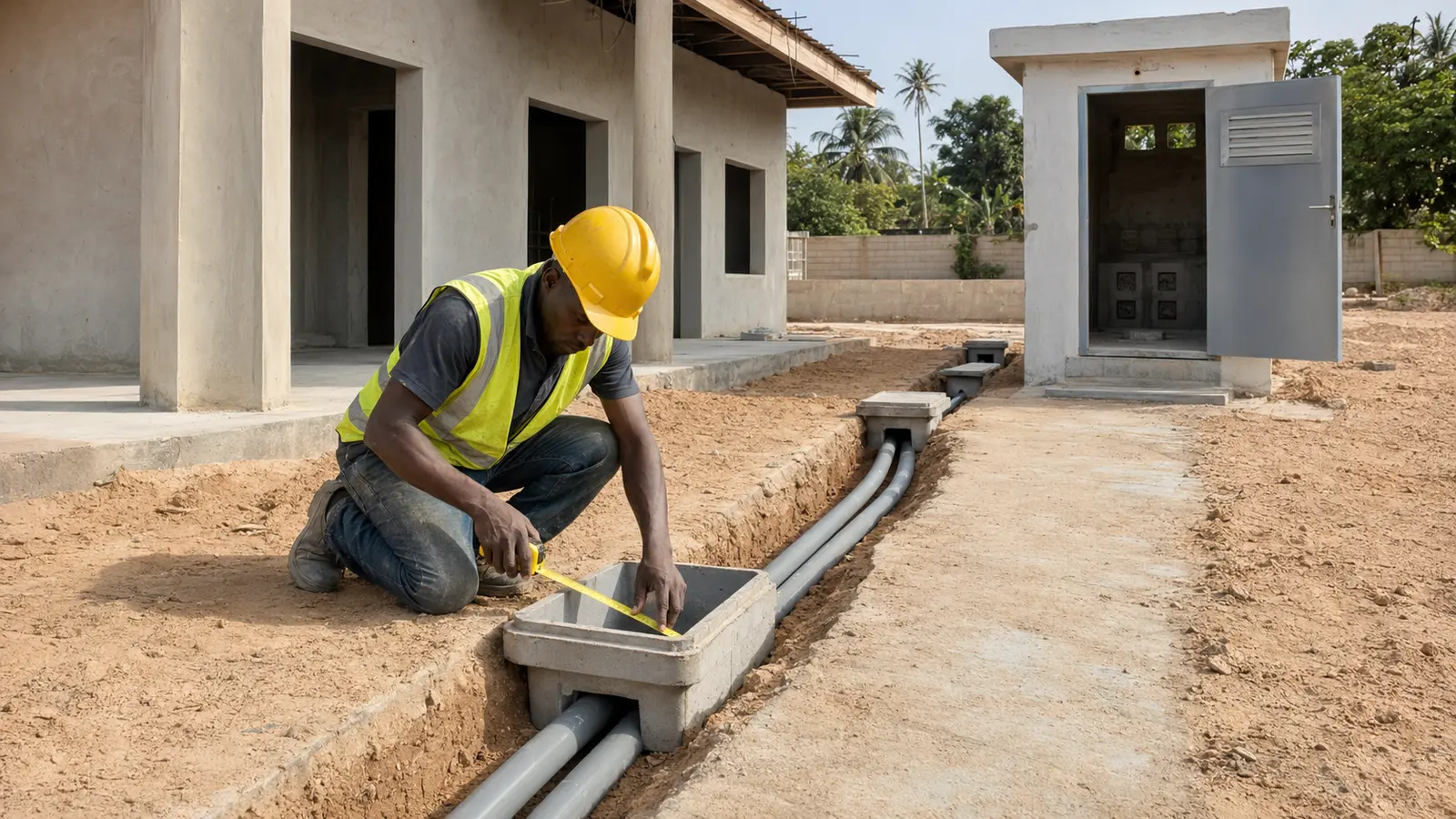
Install spare conduit
One conduit for today's cable can become tomorrow's blockage.
The design should consider:
- separate telecom ducts
- spare capacity
- gentle sweep bends
- pull rope
- accessible draw pits or pull boxes
- drainage and sealing
- separation from electrical services
- protection at road crossings
- route markers
- future entry points
Exact sizes and separation should be selected by qualified designers for the site.
Plan vertical and horizontal pathways
For an apartment or office building, provide an accessible riser or pathway between floors.
For a townhouse development, route from shared pull boxes to each unit.
Avoid:
- sharp bends;
- inaccessible junctions;
- conduit that ends behind a finished wall;
- telecom cable sharing mains conduit;
- outdoor cable exposed without protection;
- long routes with no pull point;
- undocumented changes made during construction.
Give the equipment room what it needs
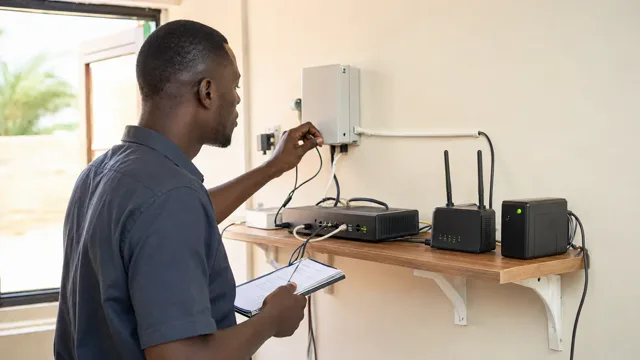
Active network equipment may require:
- clean, protected power;
- battery backup;
- ventilation;
- secure rack or cabinet;
- cable management;
- fire and safety consideration;
- environmental monitoring;
- maintenance access;
- backup internet equipment.
The room should not become storage for paint, cleaning chemicals or unrelated materials.
Prepare the unit, not only the gate
A fibre connection at the building entrance does not create good Wi-Fi inside a home.
Each unit should have:
- a planned router or gateway location;
- wired data outlets where useful;
- ceiling or wall access point locations;
- power near network points;
- cable routes that avoid interference and damage;
- a small distribution point;
- coverage testing after fit-out.
Large homes, reinforced concrete and thick block walls may need several access points. One powerful router at the entrance is rarely a proper design.
Keep as-built evidence
Before the trench or wall closes, record:
- route drawings
- conduit size and type
- pull-box locations
- photographs with reference points
- entry and exit labels
- unit numbering
- test results
- blocked or changed routes
- spare capacity
- responsible contractor
The as-built pack should be handed to the owner or estate manager, not remain on one contractor's phone.
Work within the regulatory model
Passive building infrastructure, internal networking and managed Wi-Fi are not the same as selling public internet access.
PURA has issued notices about unauthorised Wi-Fi hotspot providers. Any public or resale service should be structured with current regulatory advice and authorised operators.
Palmward can design internal topology, power continuity, Wi-Fi, monitoring and provider handoff. Carrier service should be delivered through the appropriate licensed route.
The eco development guide shows how this fits with power, water and security. The internet continuity guide explains the backup path.
The best fibre installation is often the one planned months before a fibre cable arrives.
Sources and regulatory note
- World Bank, The Gambia Digital Economy Diagnostic
- PURA Annual Report 2024
- PURA notice on unauthorised Wi-Fi hotspot providers
- Gamtel G-Fiber service page
Rules, provider coverage and moratoria can change. Confirm the current position with PURA and the selected provider before offering service or starting external rollout.