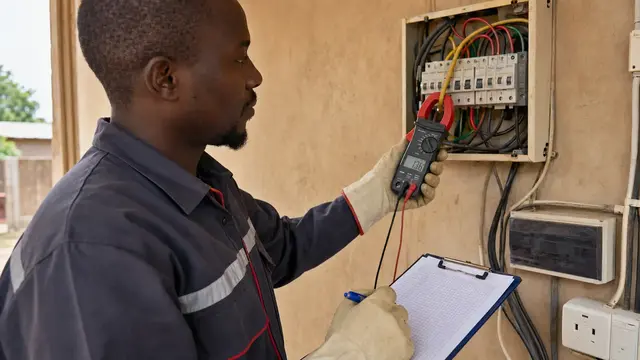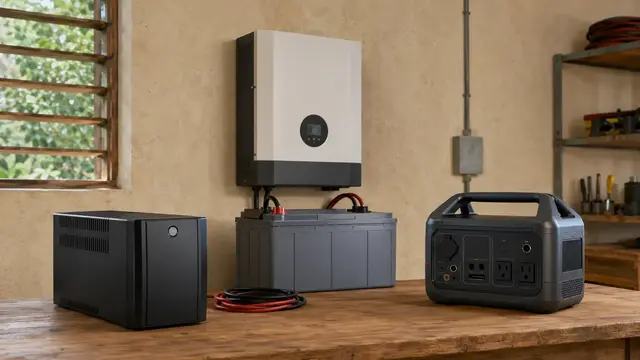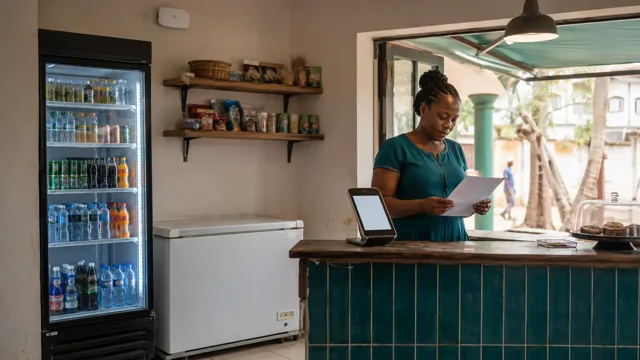
The most expensive backup system is often the one that tries to power everything.
A smaller system can deliver a better result if it protects the exact services that keep the business open.
The first decision is not battery size. It is the critical-load list.
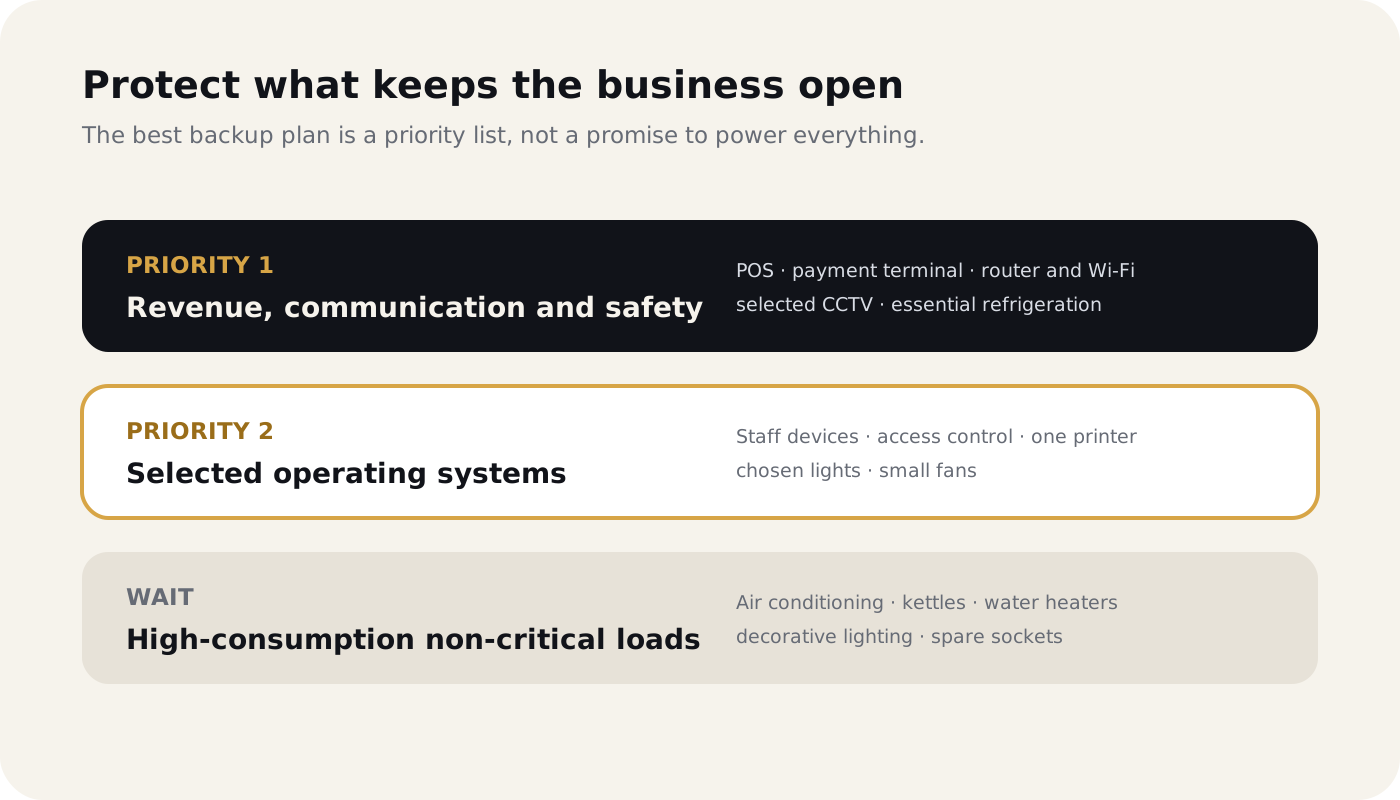
Tier 1: do not interrupt
These loads may need near-instant transition:
- internet provider terminal
- gateway or router
- network switch
- selected Wi-Fi access point
- POS terminal
- one checkout device
- CCTV recorder
- access control
- essential communication equipment
Sensitive devices may benefit from a UPS even when a larger inverter and battery system is present. The UPS can bridge transfer time and protect against a short interruption while the main backup changes state.
Tier 2: maintain for a defined period
These loads need continued energy, but a short controlled transition may be acceptable:
- selected refrigerator or freezer
- a limited number of lights
- a small number of computers
- reception equipment
- a ticket or receipt printer
- fans
- an essential pump
- charging for staff devices
Measure them. Compressor and motor startup matters. A freezer with a modest running figure can still demand much more power for a moment when it starts.
Tier 3: switch off
These loads normally do not belong on a small business backup circuit:
- air conditioning
- kettles
- irons
- water heaters
- decorative exterior lighting
- all-purpose customer sockets
- non-essential refrigeration
- large machinery not included in the design
There are businesses where air conditioning or machinery is critical. That requires a larger, purpose-built solution. It should not be added to a small inverter after installation.
Four example profiles
Small shop
Prioritise POS, mobile money access, router, one staff device, cameras, selected lights and critical cold storage.
The sales process should still work from enquiry to payment and receipt.
Restaurant or café
Prioritise ordering, payments, kitchen communication, selected refrigeration, extraction or safety controls where required, Wi-Fi for operations and emergency lighting.
Do not assume every kitchen appliance can run from a small battery.
Office
Prioritise internet, switch, staff Wi-Fi, identity access, VoIP or calls, selected laptops and a controlled number of monitors.
Cloud applications are not useful if the local gateway or login device loses power.
Small hotel or lodge
Prioritise reception, booking access, access control, selected guest communication, cameras, staff network, key refrigeration and essential lighting.
Guest room air conditioning is a separate, much larger question.
Decide the operating time
Runtime should reflect the business response.
A system may be designed for:
- 10 to 20 minutes while a generator stabilises;
- one to three hours for common interruptions;
- six to eight hours of reduced operation;
- overnight essential service;
- extended operation with solar and generator support.
Longer runtime is not automatically better. It costs more and may tempt the business to protect unnecessary loads.
Choose the period that preserves revenue and gives staff time to respond.
Include internet and payment paths
A router with battery power does not guarantee internet.
The provider terminal may be in another room. The backup modem may not be protected. The network switch may turn off. Mobile coverage may be weak indoors. The payment terminal may need a SIM or Wi-Fi path that behaves differently during a cut.
Test the transaction, not the lights.
The power and internet continuity guide maps the full chain.
Monitor the business outcome
Useful monitoring includes:
- current load;
- battery state;
- estimated runtime;
- grid failure and return;
- inverter or battery faults;
- temperature where relevant;
- generator start;
- internet path status;
- selected equipment availability.
An alert should reach a person who knows what action to take.
Ask for a system, not a list of products
A credible proposal should include:
- measured load table
- critical and excluded circuits
- required runtime
- inverter continuous and peak capacity
- battery nominal and usable capacity
- transition method
- protection and isolation
- installation location
- monitoring
- test procedure
- warranty and support responsibility
The battery sizing guide explains the calculation. The business continuity guide covers the operating procedure around it.
Palmward begins with the sales, communications, network and security path. The battery is selected after the business has defined what staying open actually means.